Afternoon tea is not a test. It is a small ceremony with a handful of rules of thumb, and once you know them the whole thing relaxes — you stop watching which spoon everyone reached for and start enjoying the sandwiches. What follows is the working version: the parts that actually come up when a teapot, a tiered stand, and four people are sitting around the same table.
Start with the Tea Itself
If you are hosting, ask how each guest takes their tea before you pour. Keep the pot on a trivet or stand rather than directly on the cloth, where a hot base will leave a ring. If you are using loose leaf, the strainer sits over the cup, not in the pot.
Never fill a cup to the brim. Two-thirds is the practical limit; it leaves room to stir and lets the tea cool at a reasonable pace. A guest who wants it weaker can be given hot water first and tea after — a weak cup is easy to make and impossible to undo.
The Spoon: Stir Without the Clink
The spoon is where most people second-guess themselves, and it is genuinely simple. Fold the tea gently back and forth, three or four strokes, no vigorous circles, no tapping the side of the cup. That clink is the giveaway sound of nerves.
Rest the spoon on the saucer when you are done — behind the cup, or on whichever side has room. It should never stay standing in the cup, and it should never go into your mouth. If a stray leaf ends up on your tongue, deal with it quietly rather than fishing around in the cup with a flourish.
To drink, hold the handle and sip. Set the cup back on the saucer between sips instead of holding it in the air, and do not blow on hot tea. If it is too hot, wait. Conversation is the point of the whole exercise.
Milk First or Tea First?
The old answer was milk first, and the reasons were practical: fine china could crack when boiling water hit it, and pouring milk in first stretched a small jug across more cups. Neither concern applies to a modern teapot, so the everyday answer is milk after the tea — you can watch the colour and judge the strength as you go.
Pouring for a table
There is one exception worth knowing. When you are pouring from a pot into a row of cups, milk first mixes more evenly with the first rush of tea and it is faster. So if you are hosting, milk first is perfectly fine and nobody will raise an eyebrow. When you are pouring only for yourself, milk last gives you more control.
Sugar goes in after the tea and milk, added by the person drinking it, never pre-emptively by the host. Stir, taste, and only then decide about a second spoonful.
The Order to Eat Things
A three-tier stand is arranged with a purpose and is read from the bottom up.
- Sandwiches and savouries on the bottom tier — cucumber, smoked salmon, egg mayonnaise. Fingers only, one or two bites each, no cutlery required.
- Scones in the middle. Plain or with raisins, split and dressed while they are still warm.
- Pastries and sweets on top. The small tarts, éclairs, and cakes that finish the meal.
Work through them in that order: savoury, then scone, then sweet. Take a piece from the stand onto your own plate rather than eating directly from the tier, and if you are sharing, take the piece nearest you instead of rearranging the arrangement to find a favourite.
Scones: Split, Dress, Bite
Do not slice a scone like a bread roll and butter the entire half. Split it — a knife drawn gently through the middle is fine, or break it with your fingers — then dress one small section at a time and eat that section in two bites. Reloading as you go keeps the scone from going dry and keeps your plate tidy.
The cream tea divide
In Devon, clotted cream goes on first and jam on top. In Cornwall, jam goes on first and cream on top. Both are correct, both have partisans, and neither is worth an argument at the table. Pick the version you like, use a clean knife for each pot so the jam stays jam, and if you are a guest in a formal setting, follow the host's lead or simply ask.
Six Small Things That Keep It Easy
- Napkin on your lap as soon as you sit, folded loosely. Not tucked into a collar.
- Everything passes through your own plate before it reaches your mouth.
- No dunking at a formal tea. Save that pleasure for your own kitchen.
- Pick up the cup with one hand; the saucer stays on the table unless you are standing.
- Do not reach across the stand for a far pastry. Ask for it to be passed.
- When in doubt, do less. Small, quiet movements always look correct.
Putting It into Practice
The reliable way to learn any of this is to set the table once at home and go through it slowly. One pot of tea, one sandwich, one scone, one small sweet. Pour, stir, rest the spoon, eat in order. The spoon rules and the milk question become automatic within two or three sittings, and you will notice how much easier it is to talk when your hands already know what they are doing.
And when you find yourself as a guest somewhere grander than your own kitchen, remember that etiquette exists to make the table comfortable, not to catch people out. A scone broken unevenly and a cup stirred without a sound will never be remembered. Being good company will.
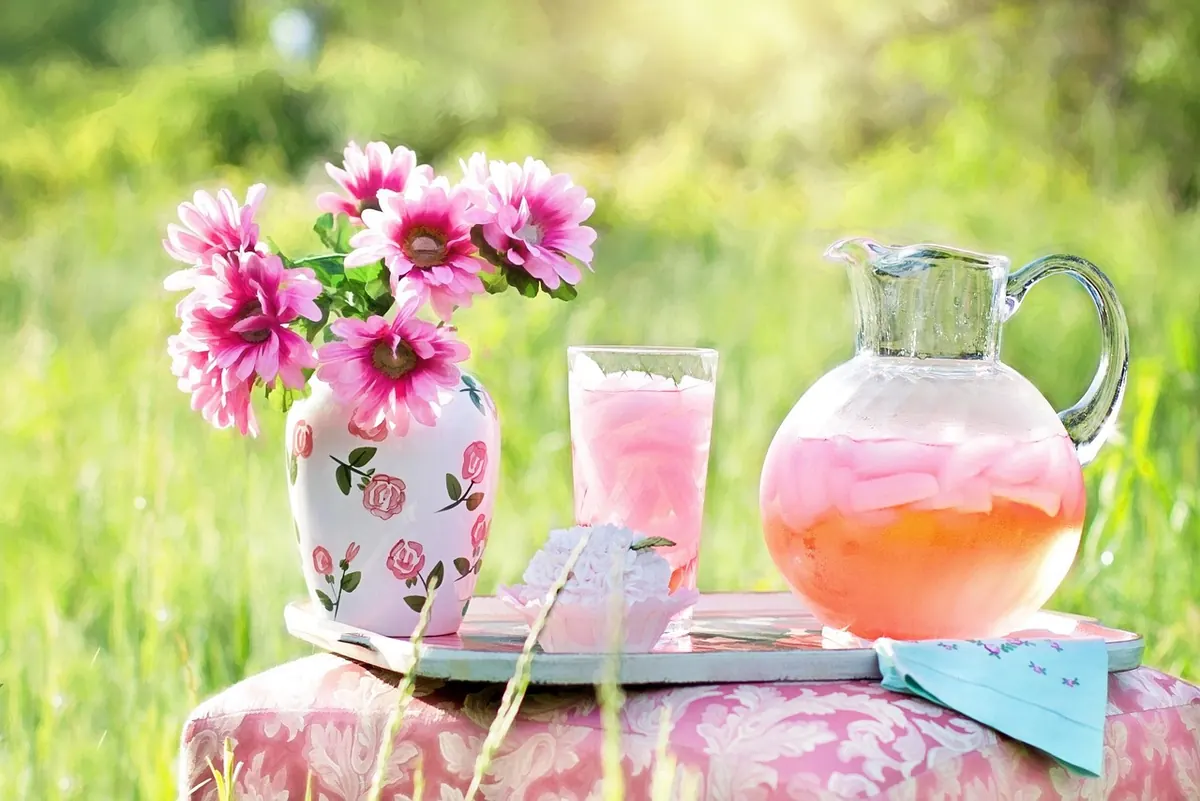
Photo: mirkostoedter / Pixabay