Tokyo can turn a simple errand into a tasting education. Step into a tea shop in Nihonbashi and someone will hand you a tiny cup, ask what you drank yesterday, then pull three tins off the shelf that have almost nothing in common except a harvest year. That is the good news.
The harder part is that the same city sells remarkable tea and forgettable souvenirs in nearly identical green packaging. A few habits — asking about dates, buying smaller, checking the seal on a teapot — separate the tins you will be glad you carried home from the ones you will find at the back of a cupboard in two years.
Start with the Grades That Matter
Most confusion around Japanese tea comes from words that sound more official than they are. In Japan, there is no legal “ceremonial grade.” That phrase is largely an English-language marketing convention. What actually matters is the leaf: when it was picked, how it was shaded, how it was processed, and how recently it was packed.
Two other words are worth knowing before you shop. Ichibancha means first-flush tea, picked in spring from the year’s first growth, and it is generally the sweetest, most aromatic material a shop will sell. Later flushes are perfectly good drinking — often more astringent, often cheaper, excellent for cold brewing — but they are a different experience, and a shop should tell you which you are buying if you ask.
Matcha: Read the Tin, Trust Your Nose
Matcha is the easiest tea to buy badly, because the powder hides age. A few checks work almost every time.
Color first. Fresh matcha is a vivid, slightly bluish spring green, almost like new grass. Olive, khaki, or grey-green means the tea is old, low grade, or both. Smell next: it should be sweet and grassy with a faint marine edge. If it smells like hay, cardboard, or nothing much, put it down.
Then buy small. A 20 to 40 gram tin is a sensible size for most travelers, because ground tea loses its aroma within a few weeks of opening. Do not buy a large tin because it is better value; you will simply own more stale matcha. Choose light-proof tins over glass jars, and ask when the tea was ground or packed.
Words worth recognizing on the back of a tin
- 抹茶 (matcha) — ground tea. The ingredient list should say tea and nothing else.
- 一番茶 (ichibancha) — first flush; the best signal of quality on most labels.
- 薄茶 / 濃茶 (usucha / koicha) — intended for thin or thick preparation. Koicha is sweeter and more expensive.
- 石臼挽き (ishiusubiki) — stone-ground, a slower method that keeps the powder from heating up.
- 賞味期限 (shōmi kigen) — best-by date, usually stamped on the base of the tin.
Sencha, Gyokuro, and the Roasted Leaves
一番茶 — ichibancha, first-flush tea. If you remember one label word, make it this one.
Sencha is the everyday green tea most people picture, and the most useful thing to know is how it was steamed. Asamushi (light-steamed) leaves stay needle-like and brew a clear, pale, floral cup. Fukamushi (deep-steamed) leaves break down into small pieces and brew cloudy, richer, and rounder, and they give up their flavor fast. Neither is better; they suit different moods, and a good shop will let you smell both.
Gyokuro is shaded for a period before picking, which pushes up the savory, brothy character and lowers the bitterness. It rewards careful brewing at low temperature, so treat it as a special-occasion tea rather than a daily one. Kabusecha sits between gyokuro and sencha and is often the better value of the three.
For gifts and evening cups, look at hojicha (roasted), genmaicha (with roasted rice), and kukicha (twig tea). They are forgiving to brew, generally lower in caffeine than sencha, and usually inexpensive. On packaging, favor vacuum-sealed or nitrogen-flushed opaque bags over anything sitting in a clear plastic pouch under the lights.
Where to Shop in Tokyo Without Guessing
Nihonbashi and Marunouchi are the traditional merchant districts and the strongest single stop. Counters here are staffed by people who will discuss harvests and brewing, and you can taste before committing.
Ginza is the convenient option: department store food halls downstairs, specialty tea shops at street level, and tax-free counters that make gift buying simple. Pre-packed gift sets are everywhere, which is helpful — just check the dates on the box rather than the display tin.
Asakusa is the tourist-friendly choice near the temple, good for one-stop gift boxes and English signage. Kappabashi, the kitchen-tool street, is where you go for ceramics and teaware rather than tea itself: fewer tastings, better prices.
A few practical notes. Ask “When was this harvested and when was it packed?” — specialist staff often speak enough English, and a translation app handles the rest. Bring cash for smaller shops, carry your passport for tax-free purchases, and ask whether the shop can vacuum-seal loose leaf for the flight home.
Teaware Worth the Carry-On Space
Ceramics are heavy, so choose deliberately rather than broadly. A short, useful list:
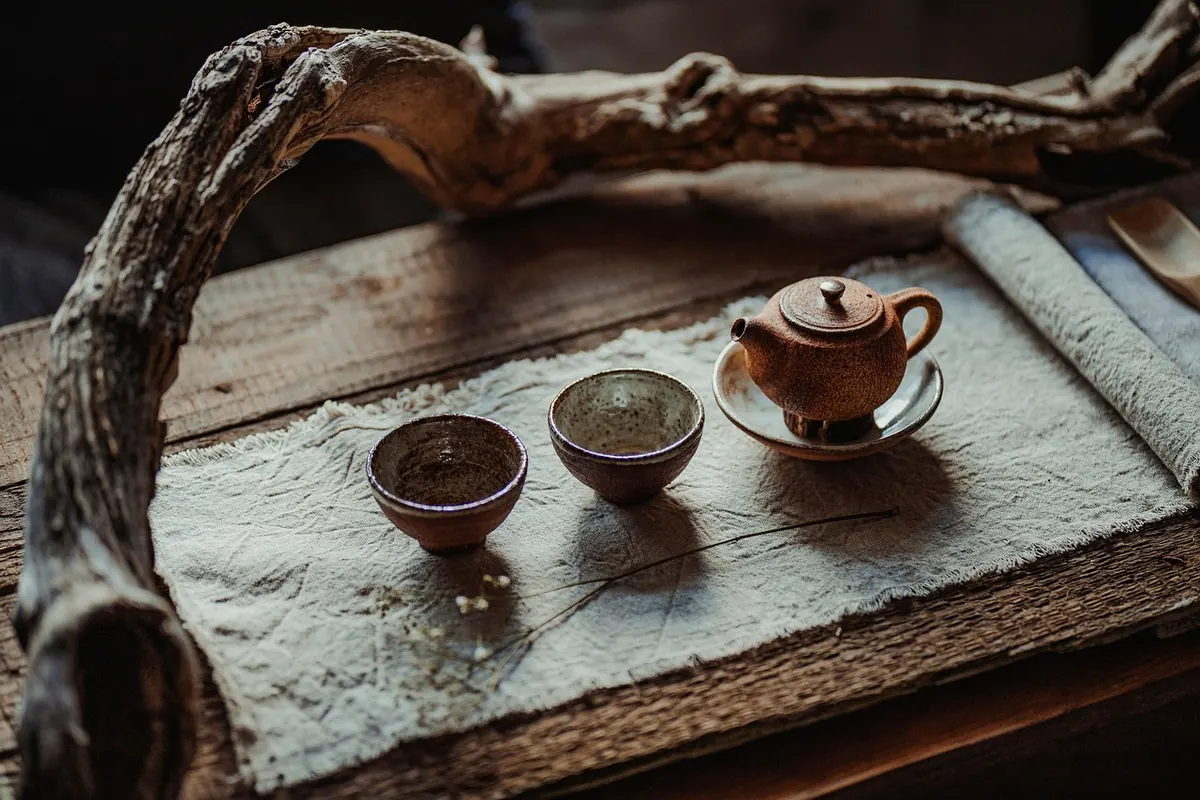
- Kyusu — the classic side-handle teapot. Around 200 to 300 ml suits one or two drinkers.
- Houhin or shiboridashi — small handleless pots for gyokuro and high-grade sencha, brewed cool.
- Yuzamashi — a water cooler that lets you drop the temperature without guesswork.
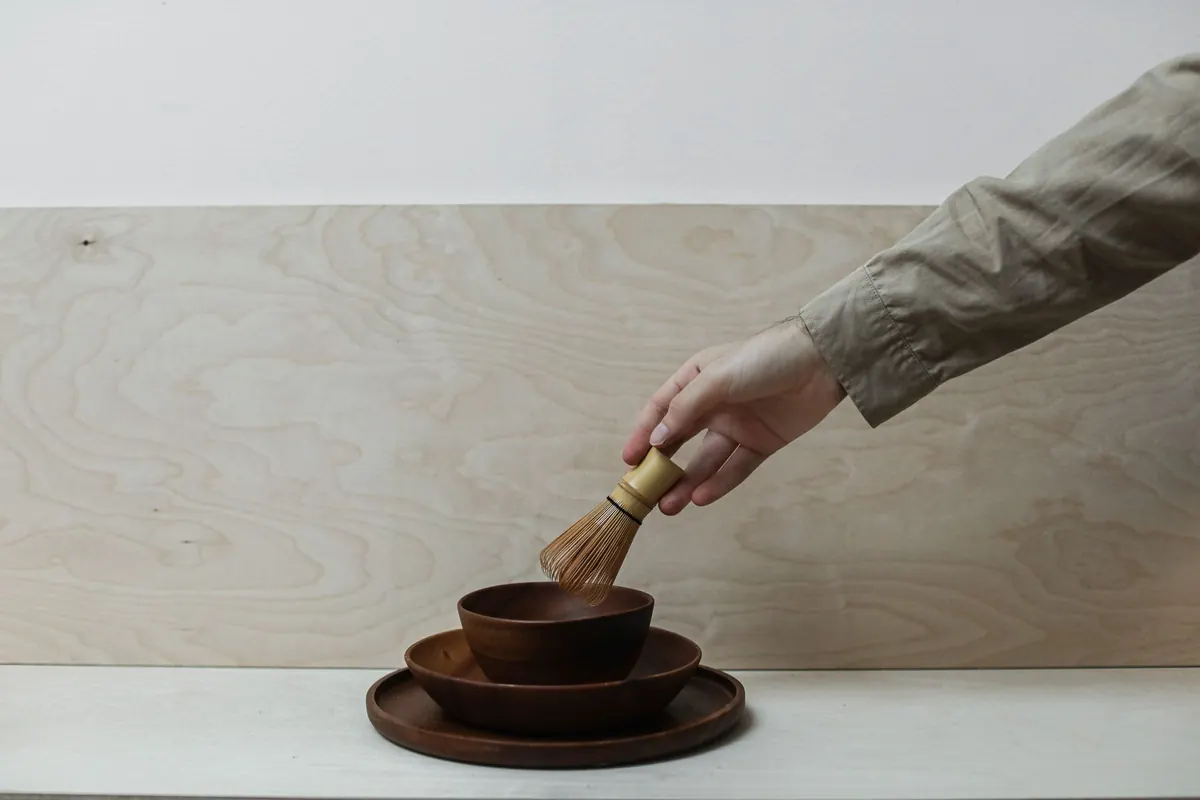
- Chawan, chasen, chashaku — a matcha bowl, a bamboo whisk, and a scoop. A 100-prong whisk is the standard for thin tea.
- Yunomi — handleless everyday cups. Buy two matching and two that do not.
Before you pay, test the pot: pour water through it in the shop if you can. A good spout cuts off cleanly without dribbling down the side. Check the lid sits without rocking, run a finger inside for a food-safe glaze rather than a metallic or luster finish used for decoration, and inspect the rim for chips against the light. Ask where the piece was made — Tokoname is known for teapots, Mino for everyday cups — and ask the shop to box it rather than wrapping it in paper yourself.
Packing and Storage So the Tea Survives the Trip
Tea is light but vulnerable. Keep sealed bags sealed; opening a pouch in the hotel to “check” costs you weeks of freshness. Bag everything in a zip-top pouch, then keep it away from spices, soap, coffee, and anything else with a strong smell, because tea absorbs its surroundings.
Matcha goes in the refrigerator once you are home, in its tin, and should come to room temperature before you open it — otherwise condensation forms on the powder. Ceramics travel better in your carry-on, wrapped in socks and shirts, with the box flat rather than upright.
Customs rules on food and plant products vary by country, so check your own government’s guidance before you fly rather than relying on forum advice. Sealed, processed tea is usually straightforward, but quantities and rules differ, and anything intended for resale is a separate matter entirely.
A Quick Checklist Before You Pay
- Ask the harvest year and the packing date — not just the best-by date.
- Smell the leaf, and check the color of any matcha through the tin.
- Buy small, especially with ground tea. You can always reorder.
- Confirm the teapot pours cleanly and the lid fits before it is wrapped.
- Request vacuum sealing for loose leaf if the shop offers it.
- Photograph the label and take the shop’s card, so you know what to buy again.
That last step matters more than it sounds. The tea you loved in Tokyo is difficult to identify from memory six months later, and a single photo of a label is the difference between a lucky souvenir and a standing order. Buy less than you think you want, buy better than you think you need, and let the second trip be the one where you stock up.Photo: Lius Hansen / Pexels