One Leaf, Two Very Different Cups
Matcha and sencha come from the same plant, Camellia sinensis, and often from the same regions of Japan. What separates them is how the leaf is handled and how it reaches your cup.
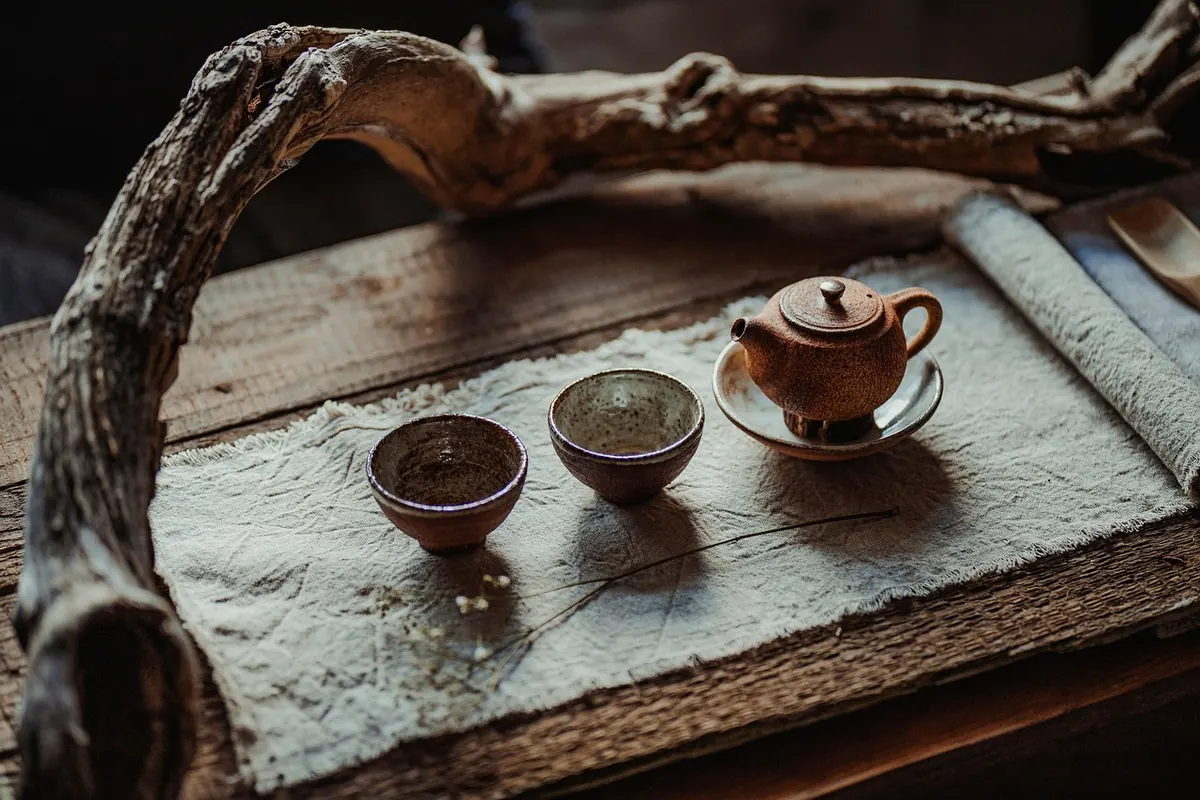
Sencha is the everyday green tea of Japan. The leaves grow in open sunlight, are steamed within hours of picking to stop oxidation, then rolled and dried into thin needles. You steep them, pour off the liquid, and leave the spent leaves behind.
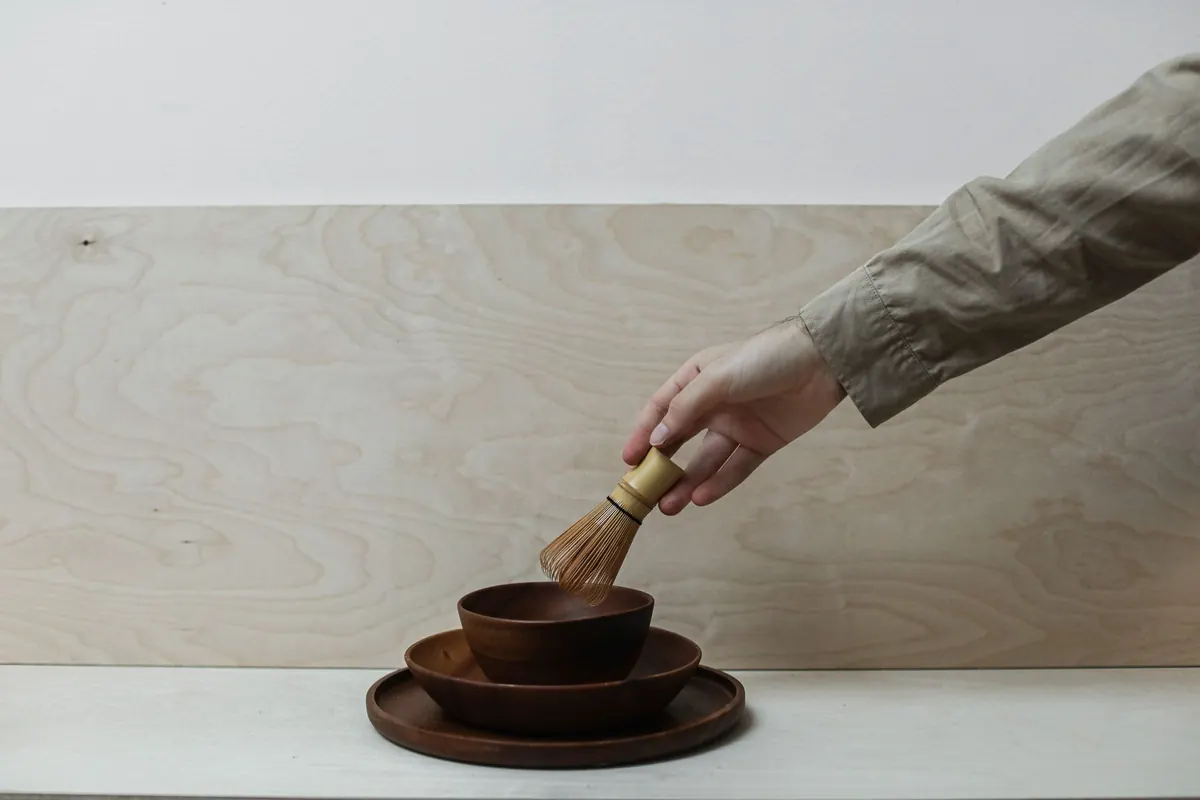
Matcha begins with shade. A few weeks before harvest, the bushes are covered to slow growth and build the amino acids behind sweetness and umami. The leaves are steamed, dried, stripped of stems and veins, and ground on stone mills into a powder fine enough to suspend in water. You whisk it and drink the entire leaf.
Steeped versus suspended. That single difference shapes everything else: flavor, caffeine, cost, and how much patience each tea asks of you.
Flavor: Savory Depth vs. Bright Freshness
Matcha
A good bowl tastes like sweet grass and steamed cream, with a savory depth underneath and a soft bitterness at the finish. Quality matters enormously. Ceremonial and culinary are marketing terms rather than regulated ones, but they usually signal a real difference: the finer grades are sweeter and gentler, while culinary grades are sharper and more astringent, which is why they shine in lattes and baked goods but feel harsh whisked with plain water.
Sencha
Sencha is brighter and more lifted. Expect fresh-cut grass, citrus peel, a marine edge, and a clean astringency that invites another sip. Two styles dominate the shelf:
- Asamushi (light-steamed): dark, needle-shaped leaves, a pale, delicate cup, and a crisp finish.
- Fukamushi (deep-steamed): leaves break into fine pieces, the liquor turns cloudy green, and the flavor is fuller, sweeter, and more vegetal. It brews faster, so shorten your steeping time.
Caffeine: Same Leaf, Different Dose
Both teas contain caffeine, but a bowl of matcha usually delivers more than a cup of sencha. The reason is simple: with matcha you swallow the whole ground leaf, so you get everything in it. With sencha, caffeine has to be extracted into the water, which depends on how much leaf you use, how hot the water is, and how long you steep.
Both also contain L-theanine, an amino acid that tends to soften caffeine's edge. Shading raises L-theanine levels in matcha, which is why many drinkers describe matcha's lift as steadier and slower to arrive, while sencha feels lighter and quicker. Individual response varies a great deal.
If you are sensitive to caffeine, pregnant, or managing a health condition, keep servings modest and ask a healthcare professional what suits you.
Brewing Sencha Without Bitterness
Sencha suffers more from hot water than from poor technique. Boiling water is the fastest route to a harsh, drying cup.
- Measure about 4 grams of leaf — roughly one rounded teaspoon — for 150–200 ml (5–7 oz) of water.
- Heat the water to 70–80°C (160–175°F). No thermometer? Boil the kettle, pour the water into a cool cup, and let it sit for a minute or two.
- Pour over the leaves and steep 60–90 seconds. For fukamushi, start at 45–60 seconds.
- Pour out every last drop. Leaves left sitting in water keep steeping and turn bitter.
- Re-steep. The second infusion is often the best one: slightly hotter water, 30–45 seconds.
If your first cup tastes sharp, lower the temperature before you shorten the time. Adjusting one thing at a time teaches you more than any brewing chart.
Whisking Matcha: Small Details, Big Difference
- Sift 1–2 grams (about half a teaspoon) through a fine sieve. Clumps never fully dissolve, and they taste bitter.
- Add 60–70 ml (2–2.5 oz) of water at 70–80°C. Hotter water flattens the sweetness.
- Whisk briskly in a W or zigzag motion with a bamboo chasen, keeping the tines near the surface, until a fine foam gathers.
- Drink it right away. The powder settles within a minute or two.
No chasen on hand? A small milk frother will get you a drinkable bowl on casual mornings. For a latte, whisk the matcha with a little plain water first, then add warm milk — that keeps the powder from clumping.
Which One Fits Your Taste?
Choose matcha if you like savory, creamy, vegetal flavors; if you want a drink you consume completely; if the small ritual of whisking appeals to you; or if you want the stronger caffeine lift.
Choose sencha if you like bright, clean, citrusy tea; if you want something you can sip slowly and re-steep through the morning; if you prefer a lighter caffeine hit; or if you would rather not buy special equipment.
Plenty of drinkers keep both. A bowl of matcha mid-morning and a pot of sencha after lunch is a fine arrangement, and the contrast keeps each tea interesting.
Where to Start
Buy small quantities from a shop that moves through its stock quickly. Green tea is perishable: keep it airtight, away from light, heat, and strong smells, and use it within a few weeks of opening. Freshness does more for flavor than any brewing trick.
Then pick one tea, change one variable at a time, and keep a few notes — temperature, time, amount. Within a week you will know whether you are a bright-and-clean drinker, a thick-and-savory one, or both.
Photo: Cup of Couple / Pexels