Black tea has an image problem. Someone buys a nice tin of Darjeeling or a proper Assam, brews a cup at home, takes one sip, and quietly decides they don't like black tea. What they actually tasted was over-extraction: harsh, drying, faintly metallic. The leaf was fine. The method wasn't.
Here's the useful thing to understand. The compounds that give black tea its briskness, its body, and that pleasant drying finish are the same compounds that turn sharp and bitter when you push them too far. There's no separate "bitter" chemical hiding in the leaf. There's just a dial, and most of us turn it too high. Water temperature, leaf quantity, and steep time are the three knobs on that dial.
Start With Water Worth Drinking
Tea is roughly 99 percent water, so whatever comes out of your tap ends up in your cup. Heavily chlorinated water flattens the aroma. Very hard water, full of dissolved minerals, pulls the tannins out aggressively and can leave a chalky film on the surface. If your tap water tastes fine on its own, use it. If it tastes like a swimming pool or leaves scale in the kettle, filter it.
Use fresh water each time. Water that's been boiled repeatedly in the kettle has less dissolved oxygen, and the tea tastes dull and flat for it. Pour out the old water, refill, and heat from cold. It takes an extra thirty seconds and it's one of the easiest improvements you can make.
Also, preheat your pot or mug. A cold vessel drops the temperature of the water the moment it hits the leaves, which throws off every timing calculation you made. A quick swirl of hot water, poured out before the leaves go in, solves it.
Get the Temperature Right
Boiling water straight from a rolling kettle is too hot for most black teas. Water at 100°C scalds delicate leaf, extracts harsh compounds fast, and leaves you with a cup that's bitter before it's flavourful. Most black teas want somewhere between 90°C and 96°C, which is the point where the water has stopped bubbling vigorously but is still steaming steadily.
If you don't have a variable-temperature kettle, you don't need one. Boil the water, then wait. About a minute of resting in the kettle brings it into the right range. Pouring from a height into a cool pot cools it further.
A rough temperature guide
- Darjeeling first flush, Nilgiri, Ceylon: 85–90°C. These are lighter, more floral, and turn bitter quickly.
- Assam, Kenyan, most breakfast blends: 95–100°C. Big, malty leaves can take the heat.
- Chinese blacks (Keemun, Yunnan, Lapsang): 90–95°C. Enough to open them up without scorching.
- Fine CTC and teabag-grade leaf: 90–95°C. Small particles extract fast, so treat them gently.
Measure the Leaf, Don't Guess
Most bitterness at home comes from generosity. A heaped tablespoon of broken leaf in a small mug is a lot more tea than you think.
The standard starting point is roughly 2 to 3 grams of dry leaf per 240 ml of water, which is about one level teaspoon for most whole-leaf blacks. That number shifts with leaf size, and this is the part people miss. Whole, long leaves are bulky and airy, so a teaspoon weighs very little. Broken or CTC leaf is dense, so a teaspoon weighs considerably more and will brew much stronger.
If you want consistency, use a small kitchen scale. Weighing your leaf once removes the guesswork entirely and takes about four seconds. If you'd rather not, judge by eye and adjust: if the cup was too strong, use a scant teaspoon next time, not a level one.
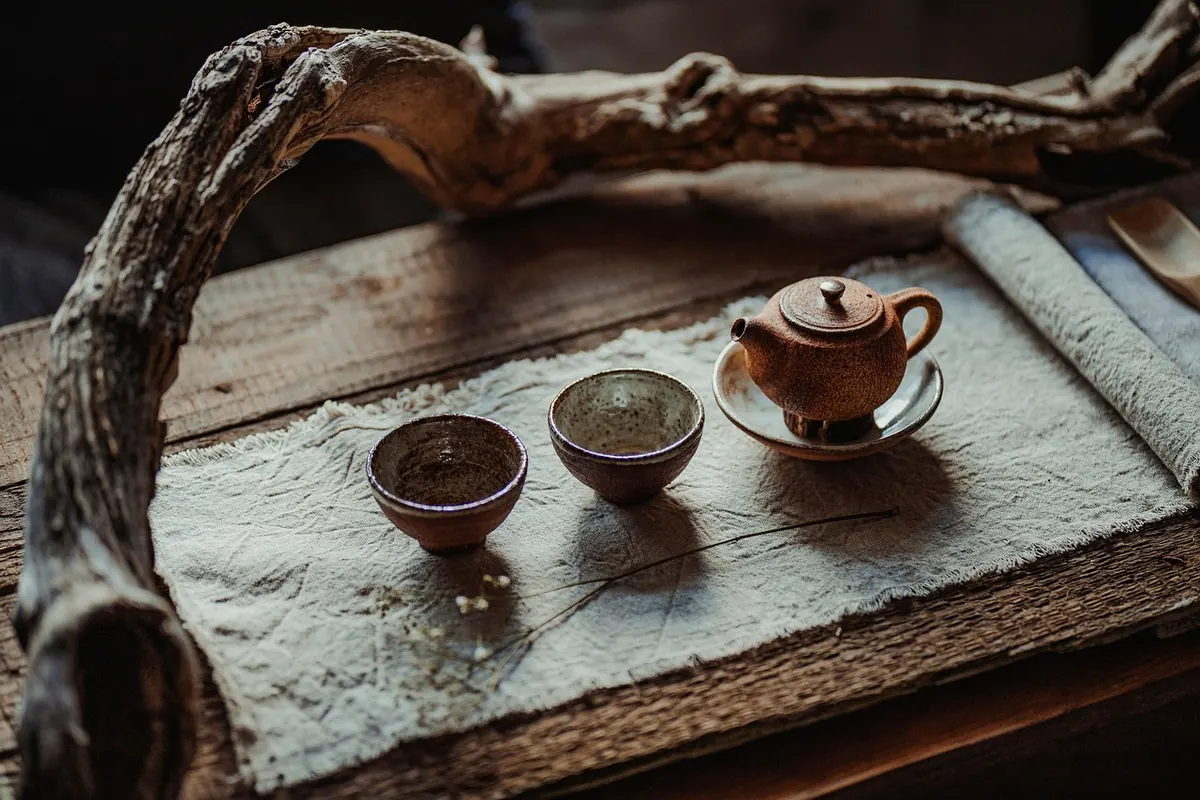
And if you're brewing in a gaiwan or a small pot, think in ratios instead. Something like 5 grams of leaf per 120 ml of water works well for whole-leaf black tea, with short repeated infusions rather than one long one.
Time the Steep, Then Taste Early
Three to five minutes is the usual window for whole-leaf black tea. Broken leaf and CTC need closer to two or three. But the clock is only a guide, because the exact moment depends on your leaf, your water, and how you like your tea.
The better habit is to taste while it's brewing. At the two-minute mark, spoon out a little and try it. You'll learn what your tea tastes like on the way to being ready, and you'll catch it before it goes past. Once you've tasted a tea at two minutes and at three, you'll know what four would do. That's the whole skill.
Bitterness isn't a flavour you fix after the fact. It's a signal that you were thirty seconds late.
Separate the Leaves From the Water
This is the step most people get wrong without realising it. If you brew in a pot and leave the leaves sitting in the water while you drink the first cup, the second cup is bitter no matter how careful you were with temperature and timing. The extraction doesn't stop because you stopped paying attention.
Use a basket or infuser you can lift out, or pour the whole pot through a strainer into a second vessel. If you're brewing a single mug, take the infuser out and set it aside. Whole-leaf tea will happily give you a second and third infusion if you let it, sometimes better than the first, but only if you pull the leaves off the water in between.
What Went Wrong: A Quick Diagnosis
- Harsh and drying, but the aroma is good: water too hot or steeped too long. Drop the temperature by five degrees first.
- Weak and bitter at the same time: too much leaf, not enough time, or both. Reduce the leaf and extend the steep.
- Dull and flat, no bitterness: stale leaf, or water that's been boiled twice. Check the tin's date and start fresh.
- Cloudy, chalky cup: hard water. Switch to filtered.
- Great first cup, undrinkable second: the leaves stayed in the pot. Decant next time.
One note on milk: adding it does soften the perception of astringency, since milk proteins bind to some of those tannins. That's a legitimate reason people take milk in strong Assam, not just habit. Just don't use milk to rescue a cup you've already over-brewed. Fix the brew instead.
A Checklist You Can Use Tomorrow Morning
None of this requires new equipment. Fresh water, a kettle you let rest for a minute, a level teaspoon of leaf for a standard mug, and a timer you actually watch. When the timer goes, take the leaves out.
If you want a single change to make first, make it temperature. Dropping from a hard boil to ninety-something degrees fixes more bitter cups than anything else, and you'll notice the difference in the first sip. From there, adjust one variable at a time. Change the temperature, keep everything else the same, and taste. Then change the leaf amount. Then the time.
Brewing good black tea isn't a matter of finding the one correct recipe. It's a matter of paying attention for four minutes, and caring enough to taste the difference between good and nearly good. That's the whole craft, and it's a pleasant one to practice.
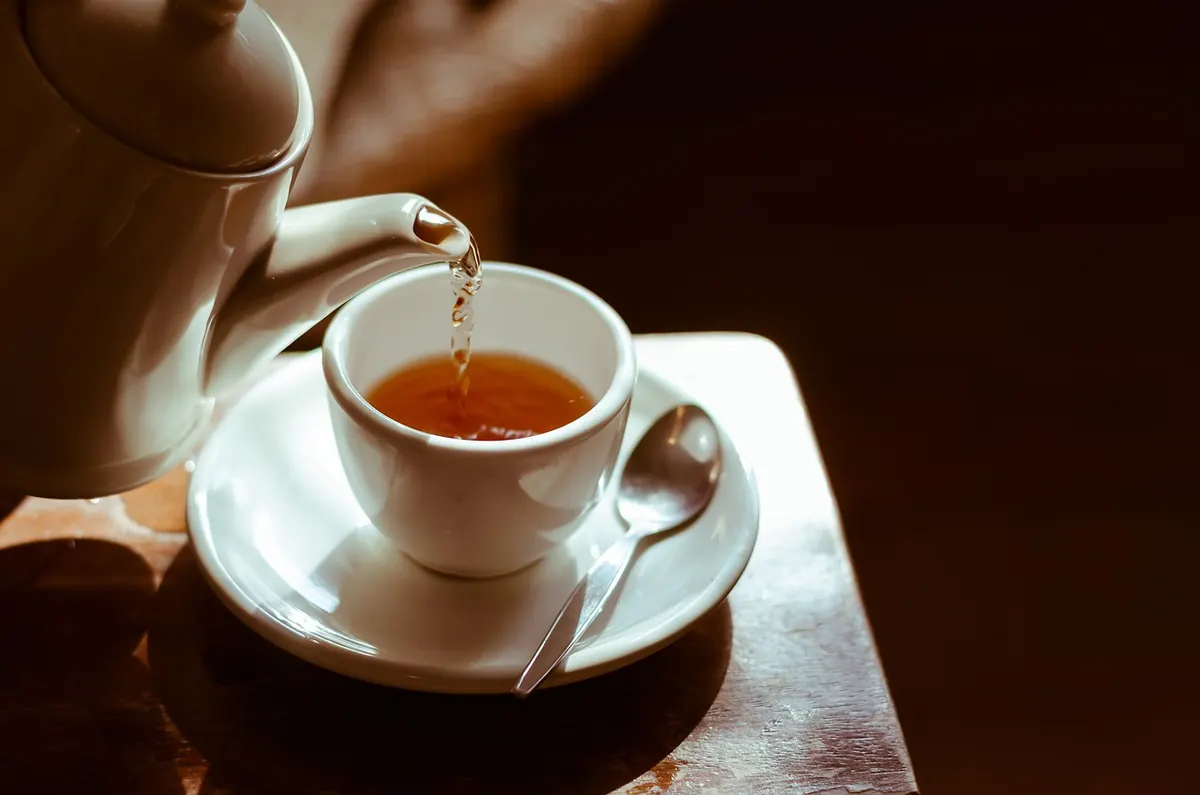
Photo: dungthuyvunguyen / Pixabay